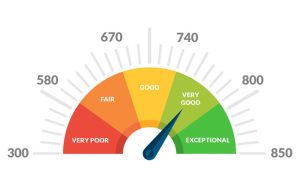
TransUnion CIBIL is the most popular credit rating agency in India and the credit score it assigns borrowers is known as the CIBIL score. The CIBIL score is a three-digit number between 300 and 900 that indicates a borrower’s creditworthiness and ability to repay their loan on time. The higher a borrower’s credit score, the better their ability to repay the loan money. Lenders consider only good CIBIL score for housing loan. Such a CIBIL score indicates high repayment capacity and lenders know that there is almost no risk involved in lending money to borrowers with such a CIBIL score. Therefore, the CIBIL score for housing loan requirement is 750 or above. In this article, we look at some tips on how to keep a perfect CIBIL score for a home loan.
Simple Tips on How to Maintain a Perfect CIBIL Score for Housing Loans
Always Pay Your Credit Card Bills and EMIs on Time
If you want to maintain a good CIBIL score, start paying your credit card bills and EMIs before the due date. Your repayment history makes up 35% of your CIBIL score. When you pay your bills and EMIs on time, the lenders send this information to credit information bureaus and this reflects positively on your credit score. If you keep paying your EMIs and credit card bills on time, your CIBIL score will automatically increase on its own, reach the excellent category and stay put there.
Lower Your Credit Exposure
To understand a borrower’s dependency on credit, credit information bureaus look at how they use credit. Borrowers who are highly dependent on credit have a low CIBIL score. Therefore, borrowers who exhaust their credit cards’ limits each month automatically witness a drop in their CIBIL score. Similarly, borrowers who only pay the minimum amount due and not the entire amount due are also seen as borrowers highly dependent on credit and have a low CIBIL score.
Limit New Credit Card Applications
Yet again, borrowers who apply for too many credit cards and loans are considered credit hungry by credit rating agencies. Therefore, such borrowers have a low CIBIL score. If you want to improve and maintain your CIBIL score, make sure to limit new credit card and loan applications. Apply for loans only when needed and if you feel the need to make multiple applications, make it a point to spread them out over months.
Check Your CIBIL Report for Errors
Sometimes, even when borrowers do everything right, their CIBIL score still goes down. This happens due to errors passed into the credit report by lenders. Lenders maintain records of millions of customers and therefore, sometimes they make the mistake of passing wrong information about a borrower to credit rating agencies. Borrowers must check CIBIL report regularly and scan it for errors. If they see any errors in the report, they must report the error immediately since rectifying errors takes time.
Keep both Secured and Unsecured Loans
Borrowers who maintain a healthy mix of secured and unsecured loans automatically have the required CIBIL score for housing loans. This is because a healthy mix helps convinces lenders and credit rating agencies that the borrower can handle all kinds of debt and it is quite unlikely that they will default on loan payment.
Improving and maintaining a good CIBIL score requires one to have an understanding of the various factors that affect the CIBIL score. Once a borrower understands these factors and how they affect their CIBIL score, they can easily make smart decisions regarding credit and also maintain a good credit score.
 FinanceTips