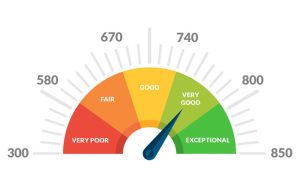
A decent CIBIL score is essential for individuals who wish to obtain credit easily and at favorable interest rates. The CIBIL score is a numerical representation of your credit history, and it is determined by analyzing your credit repayment habits and credit usage patterns. A high CIBIL score, with 900 being the maximum score attainable, implies that you have a reliable credit history and are capable of repaying your debts without defaulting.
Lenders use this score as a crucial parameter to assess your creditworthiness and determine your ability to repay your debts. Therefore, maintaining a good CIBIL score is crucial to enhance your prospects of obtaining loans and credit cards with favorable interest rates and terms.
How Is CIBIL Score Calculated?
The calculation of the CIBIL score is based on an analysis of your credit usage and repayment habits, taking into consideration various factors such as your credit history, repayment track record, credit utilization, credit mix, and credit inquiries. The significance assigned to each of these factors may differ based on your specific credit profile.
Why Is CIBIL Score Important?
The CIBIL score is a crucial aspect of one’s financial life, particularly when it comes to acquiring credit. It is an important metric that lenders use to assess the creditworthiness and repayment capabilities of a borrower. In this context, a good CIBIL score can significantly impact your prospects of obtaining credit easily and with favorable conditions.
- The CIBIL score plays a pivotal role in determining your creditworthiness and ability to repay your debts. Here are a few reasons why it is important:
- A reliable credit history demonstrated by a good CIBIL score may improve your chances of being approved for loans as it reflects your creditworthiness and ability to repay debts in a timely manner.
- Having a higher score may suggest that you are a low-risk borrower, which may enable you to obtain loans and credit cards with advantageous interest rates and terms.
- A higher credit limit may be more attainable if you have a good CIBIL score, which can assist you in meeting your financial needs more effectively.
A low CIBIL score may present challenges in obtaining credit. Here are some potential consequences:
- A low CIBIL score may result in lenders rejecting your loan application outright, as they may perceive you as a high-risk borrower with a history of defaults.
- If you are approved for a loan with a low CIBIL score, you may incur higher interest rates and fees, resulting in increased borrowing costs.
Managing your credit obligations responsibly is essential to maintaining a good CIBIL score, which can facilitate easy access to credit when needed. By doing so, you may increase your chances of obtaining credit with favorable conditions.
How Can I Check My CIBIL Score?
Regularly checking your CIBIL score is important as it provides you with a clear understanding of your financial health and creditworthiness. It empowers you to evaluate the perception that lenders have of you and provides you with the essential information to take corrective measures for improving your score. Here is how you can check your CIBIL score:
Step 1: Visit the official CIBIL website and click on the “Get Your CIBIL Score” button.
Step 2: Fill in your personal details such as name, date of birth, gender, and contact information.
Step 3: Verify your details and select the type of subscription plan you want to avail of.
Step 4: Enter your identity proof details such as PAN card number, passport number, or voter ID number.
Step 5: Provide your address details such as permanent and current address.
Step 6: Make the payment and complete the process.
Step 7: After completion of the process, you will receive your CIBIL score and credit report via email within 24 hours.
 FinanceTips