Home loans are a type of secured financing. In the case of these types of loans, a borrower avails of a loan against the property they plan to buy with the loan money. Home loans allow borrowers to realize their dream of becoming a homeowner without feeling financially burdened. One pays off these loans in the form of EMIs. Each EMI consists of a principal component and an interest component. During the initial years, the interest component is much higher than the principal component.
The demand for home loans has increased considerably over the last decade. A recent survey revealed that almost 70% of all home buyers fund their home purchase with the help of a home loan. However, not everyone who applies for a home loan qualifies for one. All lenders have strict home loan qualifying criteria and only those lenders who meet these qualifying criteria get approved for a home loan.
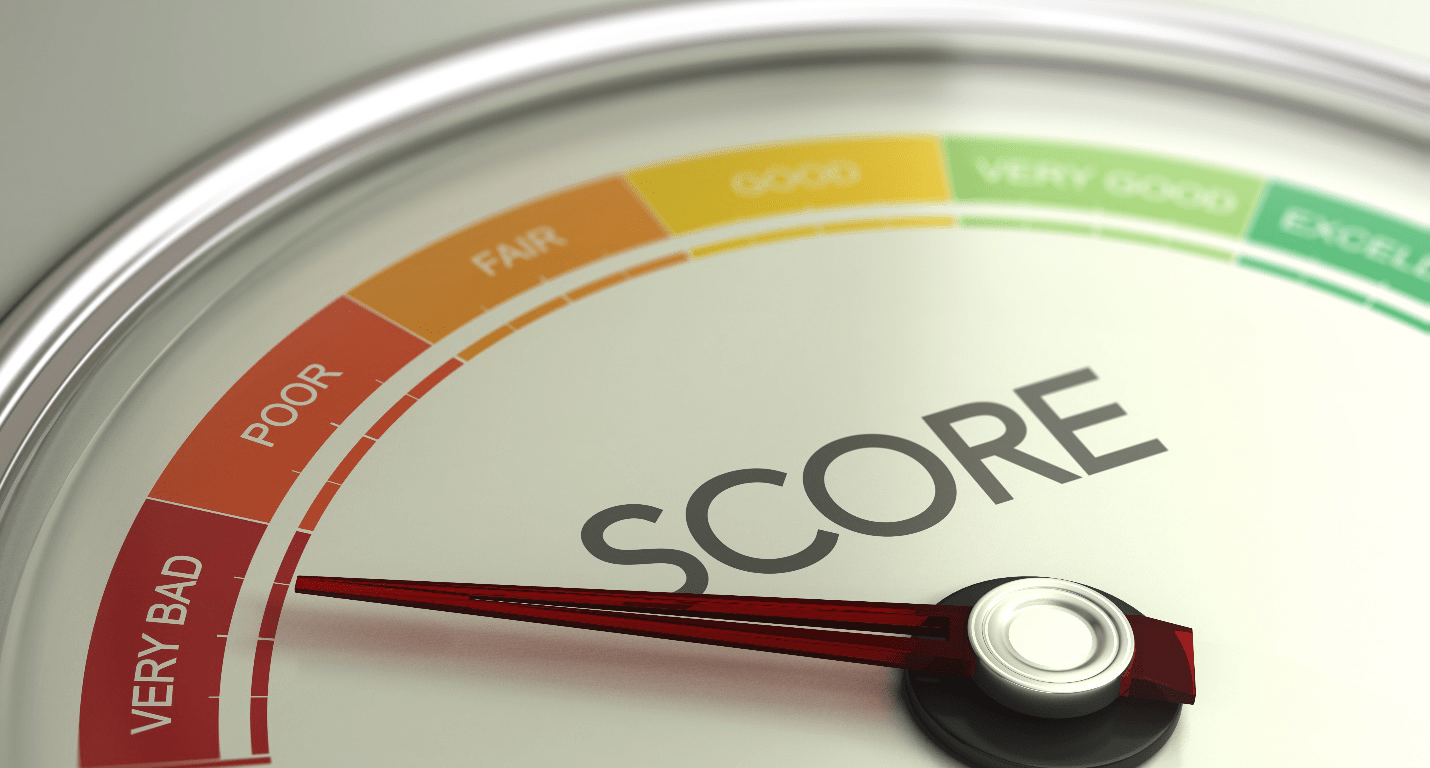
One of the key qualifying criteria is the CIBIL score. The CIBIL score is a three-digit number between 300 and 900. This number is important because it speaks about a borrower’s repayment capacity and creditworthiness. Let us look at different CIBIL Score ranges and what they mean.
- Excellent (750 to 900)
If you have an excellent credit score, you are someone who borrows very cautiously and can repay easily. You have always paid your loan EMIs and credit card bills on time and therefore, you can be trusted with timely repayment of loan money. You are also not excessively dependent on credit. You are an ideal credit user and lenders do not see any risk in lending you money. Therefore, loan approval comes easy for you. Further, you are also able to negotiate for a low-interest rate and other beneficial loan terms and conditions.
- Good (700 to 749)
If you have a good CIBIL score, you are someone who has a serious attitude towards credit and can be trusted with timely repayment of loan money. However, you have made some mistakes concerning credit, such as missing one or two EMIs or showing excessive dependency towards credit. Therefore, your CIBIL score is not ideal and lenders cannot trust you entirely. Thus, if you apply for a home loan, you will get approved for a home loan instantly. However, you will not have very high negotiating power. You will have to accept a loan on the terms and conditions that your lender decides.
- Average (650 and 699)
Borrowers who have an average CIBIL score are individuals who pose some risk to the lenders. Therefore, lenders approve loan applications from such individuals only when they add a co-applicant or a co-borrower with an excellent repayment capacity. When an applicant adds a co-borrower, the lender considers the combined repayment capacity of both borrowers and decides whether to sanction a loan or not based on that.
- Poor (550 to 649)
If your CIBIL score lies in this range, you will have a very hard time getting approved for a loan. You pose a high risk to your lender and therefore, it is quite likely that your application will get rejected. If a lender decides to extend you a loan, they will do so on the condition that you add a guarantor or buy insurance.
- Bad (550 and below)
If your CIBIL score lies below 550, no lender will sanction you a loan, even if you add a co-borrower or a guarantor or buy home loan insurance.
Also Read our Article on Best Practices To Maintain A Strong Business Credit Score
 FinanceTips