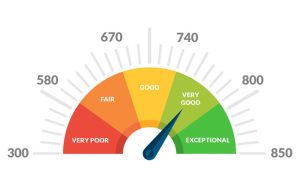
All credit information agencies assign credit scores to borrowers. The credit score is a three-digit number between 300 and 900 that indicates a borrower’s repayment capacity and creditworthiness. All lenders check a loan applicant’s credit score before deciding on their loan application. Doing so allows lenders to gauge the risk involved in lending money as well as the chances of loan default by the borrower.
There are four credit information agencies in India: Equifax, Experian, CRIF Highmark and TransUnion CIBIL. Of these four, TransUnion CIBIL is the most famous credit information agency and the credit score it assigns to borrowers is known as the CIBIL score. To be able to avail of a loan in India, individuals must have a credit score or CIBIL score of 750 or above. Such a credit score guarantees quick loan approval as well as beneficial terms and conditions on one’s loan. Borrowers whose credit score falls short of 750 can take the following steps to achieve a good credit score.
- An individual’s repayment capacity makes up almost 35% of their credit score. Building a good credit score requires borrowers to build a strong repayment history. In other words, borrowers must always pay their loan EMIs and credit card bills on time. Doing so will allow them to quickly build their credit score.
- The credit utilization ratio is the second most important factor that decides a borrower’s credit score. It makes up almost 30% of a borrower’s credit score. Borrowers who use their credit cards cautiously, do not exhaust the entire limit on their credit card and if they do, clear the entire amount due have a low credit utilization ratio and therefore, a high credit score. Borrowers who want to build their credit score must maintain their credit utilization ratio under 30%.
- The age of a borrower’s credit history also impacts their credit score; the longer a person’s credit history, the higher their credit score. This is the reason why borrowers must never close old loan accounts and credit cards that they are no longer using.
- Borrowers who have a low credit score and want to improve it must make sure they do not have too hard enquiries under their name. Hard enquiries refer to the enquiries made by a lender about an individual borrower. The higher the number of hard enquiries, the higher a credit user’s dependency on credit and therefore, the lower a person’s credit score. Borrowers must, therefore, not apply for too many loans together. They must spread out their loan applications. Further, if they get rejected for a loan, they must refrain from making a new application for at least a few months.
- Lastly, the credit mix that a person has also affects a person’s credit score. Borrowers who wish to improve credit score must maintain both secured and unsecured loans as having both showcases their ability to handle all kinds of debt.
Following the tips mentioned above will certainly allow you to improve your credit score. Further, improving one’s credit score is not difficult. However, credit users must keep in mind that it is impossible to improve one’s credit score in one or two months. Bettering your credit score will at least take a few months. So, be patient and keep at it.
 FinanceTips