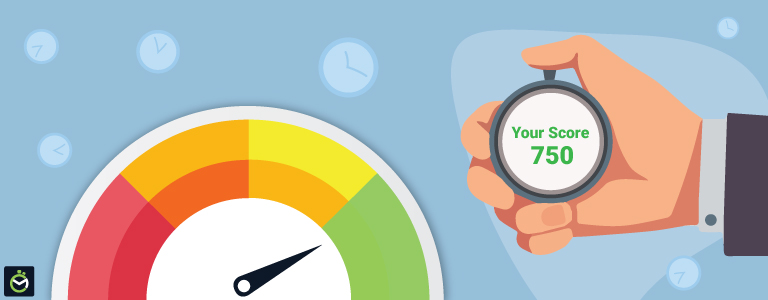
Those planning to apply for a loan must make sure they have a CIBIL score of 750 or above. Such a CIBIL score indicates high repayment capacity and creditworthiness and therefore, leads to quick loan approval. It also allows borrowers to have high negotiating power and ask for better terms and conditions on their loans. If your CIBIL score is below 750, here are a few things you can do to achieve an optimal CIBIL score for loan approval.
- Borrowers who wish to achieve the optimal CIBIL score for a loan must build a strong and clean repayment history. An individual’s repayment history accounts for almost 35% of their credit score. It is the single biggest factor that affects a person’s CIBIL score. Thus, if you wish to build a strong CIBIL history, make sure to have a clean repayment history. Always repay your loan EMIs and credit card bills on time. If you tend to forget due dates, set up reminders and autopayments. If you miss an EMI, clear it before the next due date.
- Your credit utilization ratio accounts for 30% of your credit score. The credit utilization ratio gives one the percentage of one’s credit card’s limit that is currently under use. A high credit utilization ratio indicates a high dependency on credit. Borrowers who want to improve and maintain a good CIBIL score must make sure to maintain their credit utilization ratio under 30%. One can do this easily by using one’s credit card judiciously and clearing the entire amount due each month and not just the minimum amount due.
- The number of hard enquiries a person has under their name also has a great impact on their credit score. Hard enquiries refer to enquiries made by lenders about borrowers. Every time a borrower applies for a loan, the lender they have applied to approaches a credit information bureau and enquires about the borrower. This enquiry gets registered as a hard enquiry. Too many hard enquiries depict excessive dependency on credit and therefore, cause a person’s CIBIL score to go down. To maintain a high CIBIL score, borrowers must keep the hard enquiries under their name to a bare minimum. This can be easily done by spreading out one’s loan and credit card applications and making sure a rejected loan application is not immediately followed by another loan application.
- The age of a person’s credit history makes up about 10% of their credit score. The longer an individual’s credit history, the better their credit score. This is why borrowers must never close old loan accounts and credit cards, even those that they have already repaid or no longer use.
- Lastly, borrowers must maintain a healthy mix of both secured and unsecured loans as it indicates their ability to handle all types of debt. So, if you have only secured loans in your loan kitty, add a few unsecured loans to improve your credit score and vice versa. Doing this will show your lender that you can handle all kinds of debt and make you eligible for higher loan sanctions and better terms and conditions on your loan.
Five factors affect an individual’s CIBIL score. Having an understanding of these factors allows borrowers to achieve an optimal score for loan approval easily. Follow the tips shared in this article to improve CIBIL score quickly. However, do remember that improving one’s CIBIL score takes time. So, don’t be impatient. If you do not have the optimal CIBIL score, give at least a few months to improve your credit score and then expect to see any concrete changes.
 FinanceTips